Custom Casting & Forging Sourcing in China.
We help overseas buyers source custom castings and forgings from qualified Chinese manufacturers. From choosing between investment casting, sand casting, open-die and closed-die forging, to tooling and MOQ, supplier screening and inspection — we manage the whole chain.
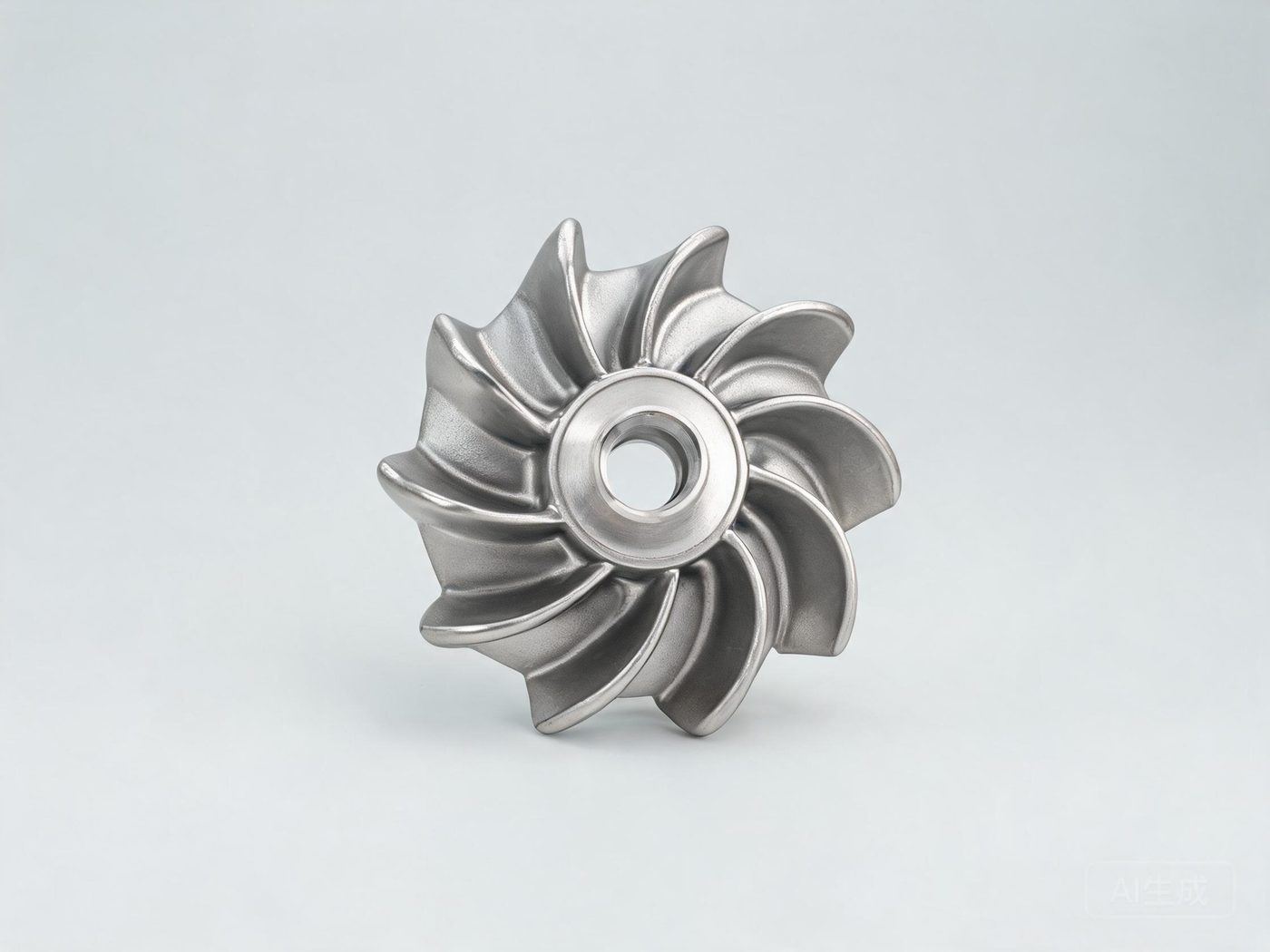
Casting and Forging Sourcing, Without the Guesswork.
- Process selection across investment casting, sand casting, open-die and closed-die forging — matched to your geometry, load and volume.
- Clear guidance on tooling, patterns, dies and MOQ before you commit, with tooling quoted separately for fair comparison.
- Supplier screening on the specific process, equipment, part size and material — not just a generic factory list.
- Defined inspection points — material certificates, first-article, defect and surface checks on castings, and pre-shipment release.
Casting or Forging? Choosing the Right Route.
Casting and forging produce parts in very different ways. We compare your part against each route and recommend one, covering the trade-offs in feasible geometry, as-made tolerance, tooling and unit cost.
| Process | Best Fit | Tooling | Notes |
|---|---|---|---|
| Investment casting | Complex geometry, fine detail, tighter as-cast tolerance, smaller to medium parts. | Wax pattern + ceramic shell per design. | Good for stainless, carbon and alloy steels and Ni/Co alloys. |
| Sand casting | Larger and heavier parts where tooling cost matters more than fine detail. | Pattern and sand mould; lower tooling cost. | As-cast tolerance is generally coarser; more machining allowance. |
| Open-die forging | Large, robust parts and simple or highly custom shapes at low tooling cost. | Flat or simple dies; modest tooling. | Requires more machining to reach final shape. |
| Closed-die forging | High-strength, fatigue-critical parts at repeatable volume. | Shaped die per part; higher tooling investment. | Near-net geometry, better grain flow and repeatability. |
investment casting sourcing page; for forging, see forging sourcing. Many parts that begin as a casting or forging are later finished on a machining centre — see CNC machined parts sourcing." data-zh="铸造细节详见我们的精密铸造采购页面;锻造详见锻造采购。许多以铸造或锻造起步的零件随后在加工中心完成——详见CNC 加工件采购。">For casting-specific detail, see our investment casting sourcing page; for forging, see forging sourcing. Many parts that begin as a casting or forging are later finished on a machining centre — see CNC machined parts sourcing.
Tooling and MOQ, Explained Before You Commit.
Tooling is often the largest fixed cost in a casting or forging programme, and it drives the minimum order quantity. We keep the two visible, separate and comparable.
What tooling is required
Patterns for sand casting, wax patterns and ceramic shells for investment casting, and dies for closed-die forging. Open-die forging usually needs little or no dedicated tooling.
Why MOQ exists
Each order must cover tooling amortisation and process set-up. The higher the tooling, the higher the MOQ needed to keep unit price reasonable.
Tooling ownership & care
We confirm who owns the tooling, where it is stored, and how wear and maintenance are handled, so your tooling is protected across repeat orders.
Screening Suppliers for the Process, Not the Brochure.
China industrial parts sourcing overview." data-zh="我们按你零件的具体要求筛选每家候选工厂,并在下单前审核候选名单。新买家可从我们的中国工业零件采购概览入手。">We screen each candidate against the specific requirements of your part, then audit the shortlist before any order is placed. New buyers can start with our China industrial parts sourcing overview.
- Does the factory run the exact process you need — investment, sand, open-die or closed-die?
- Equipment check: melting furnaces, heat-treatment, presses or hammers, and maximum part weight and size.
- Material experience for your alloy group, including any special grades you specify.
- Quality management system and evidence of relevant industry work — requested as documentation, not assumed.
- Capacity and schedule fit for your volume, plus realistic lead time for tooling and production.
Inspection Points for Castings and Forgings.
Casting and forging defects are best caught early. We define inspection points across the order and coordinate them against your drawing, specification and any special requirements.
Material verification
Chemistry and mechanical property certificates are checked against the material you specified before production proceeds.
First-article inspection
The first acceptable part is measured against the drawing — dimensions, wall sections and critical features — before full production is released.
Visual & surface checks
Castings and forgings are inspected for the defects typical of each process, such as porosity, shrinkage, cracks, laps and surface condition.
Pre-shipment inspection
Before release, we confirm quantity, dimensions, finish and documentation against the order, and compile the inspection reports that travel with the goods.
sourcing guides." data-zh="如需射线或渗透等无损检测,我们在供应商处协调执行,并在发运前复核结果。背景阅读可参见我们的采购指南。">Where non-destructive testing such as radiographic or dye-penetrant inspection is required, we coordinate it at the supplier and review the results before shipment. Background reading is available in our sourcing guides.
Casting & Forging Sourcing FAQs
How do you decide between casting and forging for my part?
We compare your geometry, load path, material and quantity against each process. Casting suits complex internal shapes and alloys that are hard to forge, while forging suits high-strength, fatigue-critical parts with controlled grain flow. We recommend one route and explain the trade-offs in tolerance, tooling and cost.
What is the difference between investment casting and sand casting?
Investment casting uses a wax pattern and ceramic shell for fine detail and tighter as-cast tolerance, making it well suited to complex or smaller parts. Sand casting uses a sand mould for larger and heavier parts at lower tooling cost, with generally coarser as-cast tolerance.
What is the difference between open-die and closed-die forging?
Open-die forging shapes hot metal between flat or simple dies, giving large, robust parts and flexible shapes at lower tooling cost. Closed-die forging presses metal into a shaped die for near-net geometry, better repeatability and higher volumes, but with higher tooling investment.
How do you handle tooling and MOQ for castings and forgings?
We explain which tooling is required, whether it is a pattern, die or mould, and how MOQ relates to tooling cost and process set-up. Tooling is quoted separately so you can compare suppliers fairly, and we confirm tooling ownership and maintenance terms before the order.
How do you screen casting and forging suppliers in China?
Suppliers are screened for the specific process, equipment such as furnaces and presses, maximum part weight and size, material experience, quality management system and relevant industry references before they are accepted for your project.
What inspection points are used for castings and forgings?
Inspection typically covers material certificates and chemistry, first-article dimensional check, visual and surface inspection for defects, any required non-destructive testing, and pre-shipment inspection against your drawing and specification.
Need Castings or Forgings Sourced From China?
Send us your drawing. We’ll recommend the right process, screen and audit qualified suppliers, and return a transparent sourcing proposal with tooling and MOQ within 24–48 hours.