Investment Casting vs Sand Casting: Which Is Right for Your Part?
Investment casting gives you tight tolerances, thin walls and a smooth surface, but costs more per set-up — while sand casting is cheaper for large, heavy, low-tolerance parts. This guide helps you compare accuracy, finish, cost and lead time to pick the process that actually fits your drawing.
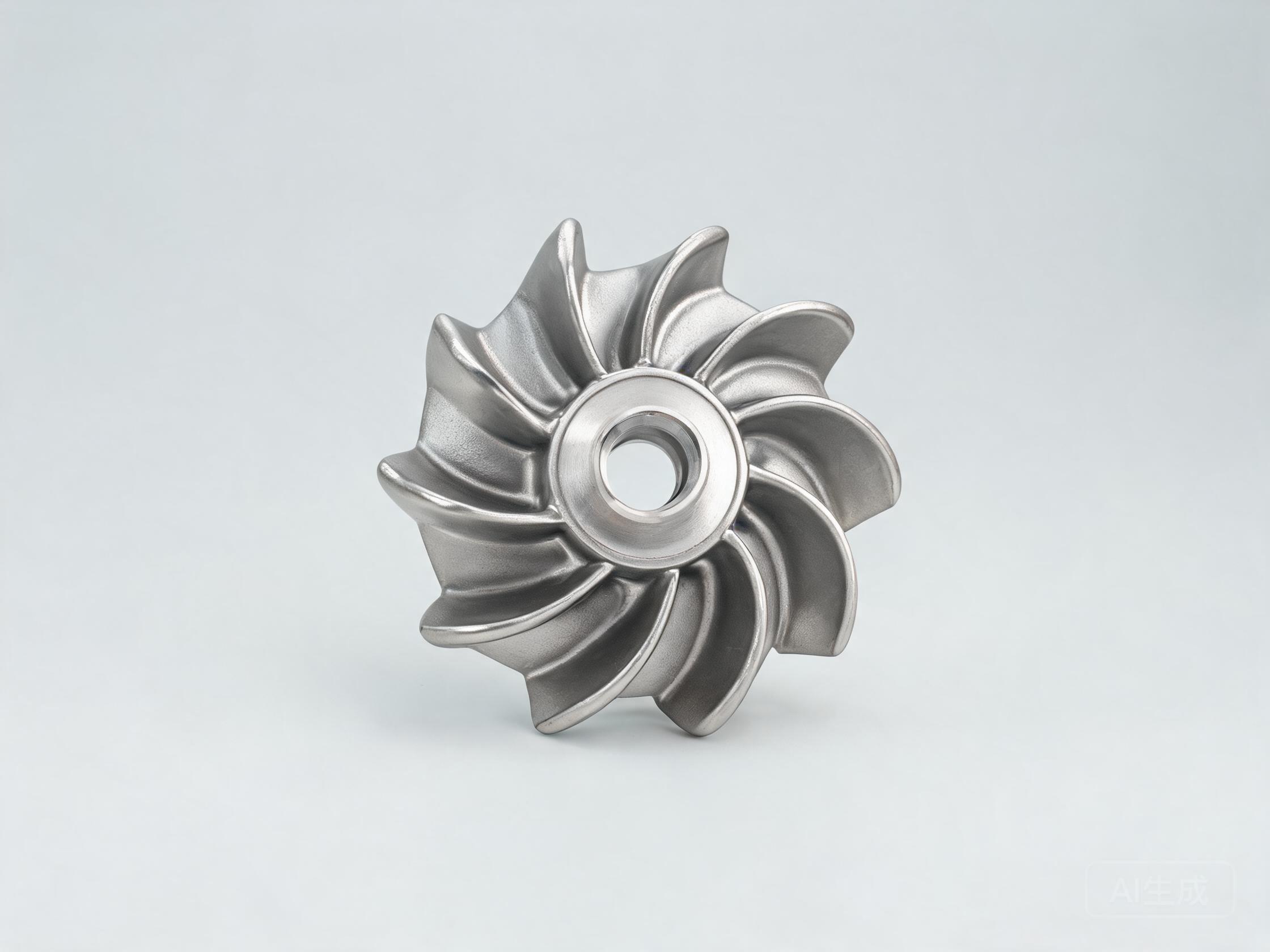
Quick answer
- Investment casting = wax pattern + ceramic shell → precise near-net shape, tight tolerance, smooth surface. Best for small-to-medium parts in steel, stainless and superalloys with complex geometry.
- Sand casting = packed sand mold → lower set-up cost, better for very large and heavy parts with looser tolerances.
- Choose by tolerance, geometry, quantity and part size — not by habit or the lowest initial quote.
What Is the Difference Between Investment Casting and Sand Casting?
Both processes form molten metal into a cavity. They differ in how that cavity is made — and that difference drives accuracy, surface, cost and what shapes are possible.
- Investment casting builds a disposable wax pattern, coats it in ceramic, melts the wax out, then pours metal into the shell. The shell is precise and can reproduce thin walls and internal passages.
- Sand casting compacts sand around a reusable pattern, removes the pattern to leave a cavity, then pours metal into the sand mold. The mold is sturdy and cheap, but less precise and rougher on the surface.
Investment Casting vs Sand Casting: Side-by-Side Comparison
| Factor | Investment Casting | Sand Casting |
|---|---|---|
| Dimensional tolerance | Tight (approx. ISO 8062 DCTG4-6) | Looser (ISO 8062 DCTG8-11) |
| Surface finish | Smooth, ~Ra 6.3 or better (down to Ra 3.2 after treatment) | Rough texture, sand finish typical |
| Minimum wall thickness | Can be thin (~2–3 mm depending on geometry) | Thicker walls, 5+ mm typical |
| Geometry | Complex, thin walls, internal passages | Simple to moderate, no fine detail |
| Part size / weight | Small to medium (GRDH casts 0.001–622 kg) | Large / heavy parts a strength |
| Tooling / set-up cost | Higher (wax die + ceramic shell) | Lower (wood/metal pattern + sand) |
| Lead time to part | Longer first-run; fast repeat production | Faster to first pour |
| Materials | Steel, stainless, nickel/cobalt superalloys, non-ferrous | Iron, steel, aluminum, copper alloys |
Which Is Cheaper: Investment Casting or Sand Casting?
Sand casting usually wins on initial set-up and for very large, heavy parts. Investment casting often delivers a lower total cost per part at medium-to-higher volume, because the smoother near-net shape needs far less machining and secondary finishing.
Rule of thumb
Low volume + large + loose tolerance → sand casting. Moderate volume + steel/stainless + tighter tolerance + complex geometry → investment casting. When in doubt, send the drawing and compare both quotes including finishing and machining.
When Should I Choose Investment Casting Over Sand Casting?
Choose investment casting when a stainless or alloy part needs thin walls, complex internal passages, smooth surface or tight dimensional control — typical for valve bodies, pump components and flow-control parts, especially in corrosion-resistant materials.
Choose Investment Casting
Complex geometry, thin walls, internal cavities, steel/stainless/superalloys, tighter tolerance, smoother finish, medium-to-higher volume.
Choose Sand Casting
Large or heavy parts, simple geometry, looser tolerance, lowest set-up cost, or when material is iron/aluminum/copper base.
A Practical Example: Valve Body
A stainless valve body with internal flow passages and threaded ports needs a sealed, corrosion-resistant part with good dimensional control. Machining the whole thing from solid wastes expensive material; sand casting cannot hold the internal detail: the practical route is investment casting the hollow near-net body, then CNC-machining the flange faces and threads — a classic investment + machine combination.
Frequently Asked Questions
What is the difference between investment casting and sand casting?
Which is cheaper: investment casting or sand casting?
When should I choose investment casting over sand casting?
Which process achieves tighter tolerances?
Not sure which casting process fits your part?
Send your drawing. We'll review the geometry, material and quantity, then recommend investment or sand casting with a transparent quote.
Start a Project →← Back to Blog · Related: How Investment Casting Works · How Much Does Investment Casting Cost? · Casting Material Selection · Our Investment Casting Capability